Executive Summary
Gutter lifespan in Florida depends on material quality, installation, drainage performance, maintenance, and exposure to intense sunlight, humidity, and heavy rainfall. Understanding typical service life and recognizing early signs of deterioration helps homeowners decide when repairs are enough and when replacement makes more sense.
Gutters protect your roof, siding, foundation, and landscaping by directing rainwater away. North Central Florida’s heavy downpours, humidity, and strong sun make regular maintenance essential. Even well-installed gutters can deteriorate early if debris builds up, fasteners loosen, or water repeatedly pools in low spots.
Gutter lifespan depends on their material, installation, upkeep, and local climate. Understanding what affects their service life helps you plan repairs, avoid unnecessary expenses, and protect your home’s exterior.
How Long Do Gutters Last in Florida?
How long gutters last mostly depends on what they’re made of and the weather around your home. Aluminum gutters usually last 20–30 years but may need replacement sooner. Vinyl gutters often have a shorter service life, while properly installed steel and copper systems can last longer, depending on corrosion protection and maintenance.
Florida’s climate can put extra stress on gutter systems. Strong sunlight, high humidity, wind-driven rain, and seasonal storms can affect finishes, fasteners, joints, and hangers. Gutters that stay clogged or are poorly aligned may deteriorate faster because standing water and excess weight put extra stress on the system.
Typical Gutter Lifespans by Material
The lifespan of a gutter depends largely on the material it’s made from, with each option offering a different level of durability.
| Gutter Material | General Expected Lifespan | Main Considerations |
| Aluminum | Approximately 20 to 30 years | Lightweight and corrosion-resistant, but susceptible to dents and damage |
| Vinyl | Approximately 10 to 20 years | Can become brittle with prolonged sun exposure and temperature changes |
| Galvanized steel | Approximately 15 to 25 years | Protective coatings and maintenance influence rust resistance |
| Copper | Often 50 years or longer | Durable, but installation quality and joint design remain important |
These are broad estimates, not guarantees. Product specifications, local conditions, workmanship, and upkeep can significantly affect actual lifespan.
What Affects Gutter Life Expectancy in Florida?
Gutter life expectancy in Florida depends on more than the material. Several conditions determine how well a system handles repeated rainstorms and remains securely attached to the home.
1. Sunlight, Humidity, and Rainfall
Florida’s intense sun can damage exposed finishes and some gutter materials. Humidity and frequent rain keep surfaces wet, especially in shaded areas. Though aluminum resists rust, inspect its coatings, fasteners, and connections. Heavy rain can expose drainage problems: clogged gutters may overflow or pool, damaging fascia, eroding soil, and directing moisture toward the foundation.
2. Installation Quality and Slope
Gutters need the right slope to direct water to downspouts. Poor alignment can cause standing water, strain hangers, and trap debris. Loose fasteners or weak support can make gutters sag or pull away. Professional installation accounts for roof area, rainfall, downspout placement, and building layout to properly size and secure the system for routine weather.
3. Debris and Drainage Blockages
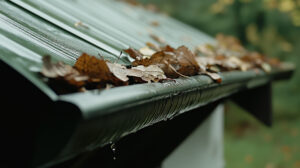
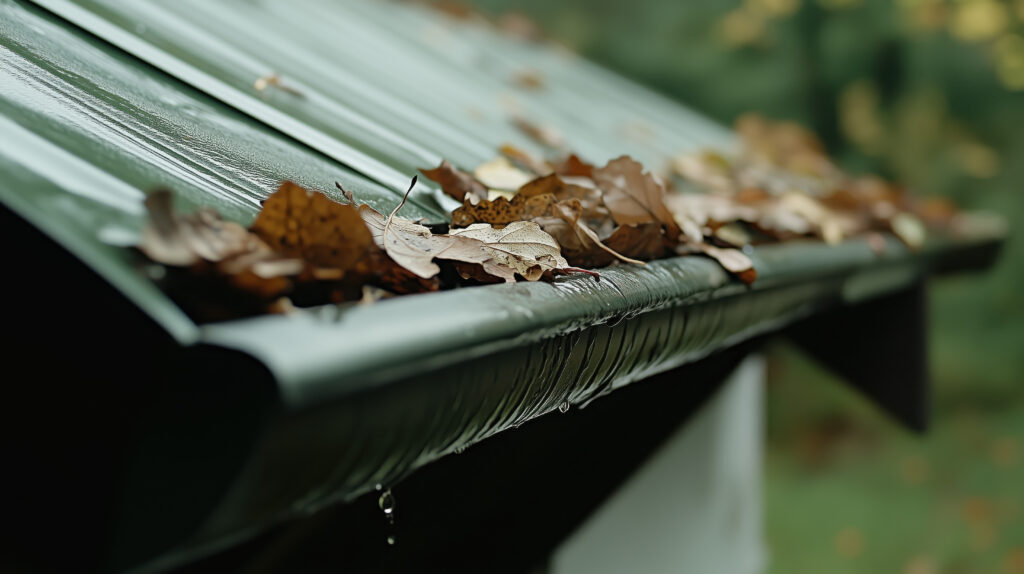
Debris buildup can block gutters, causing overflow that adds pressure to gutter brackets and edges. Regular downspout checks and cleaning help prevent damage. Gutter guards reduce debris but don’t replace inspections or occasional cleaning.
4. Trees and Storm Damage
Homes beneath mature trees may face more blockages, especially in windy weather. Falling branches can dent aluminum gutters, dislodge hangers, or damage joints, while debris may hide cracks or loose connections. After severe weather, check from the ground for sagging, detached sections, or unusual overflow. Don’t climb a ladder in wet or windy conditions.
5. Maintenance and Timely Repairs
Regular maintenance catches small problems early. Replacing a loose hanger, clearing a blocked downspout, or resealing a minor joint can extend a sound system’s life. But repeated repairs may not be economical; extensive corrosion, widespread cracking, recurring leaks, or deformed sections may warrant replacement.
Top Signs Gutters Need Replacement
Recognizing signs gutters need replacement can help you address drainage problems before they damage other parts of your property. One isolated issue does not always mean the entire system has failed, so assess the condition and extent of the damage before deciding.
1. Persistent Sagging or Separation
Gutters that pull away from the fascia may have loose fasteners, damaged mounting points, or weakened supporting wood. If multiple sections sag despite repairs, the system may no longer drain or support water reliably.
2. Repeated Leaks and Visible Corrosion
Small joint leaks may be repairable, but widespread corrosion, multiple cracks, or recurring leaks suggest advanced deterioration. Rust is a concern for steel gutters; aluminum may develop holes, dents, and damaged seams.
3. Peeling Paint and Fascia Damage
Peeling exterior paint, soft fascia boards, and water stains near the roofline may indicate prolonged moisture exposure. These signs can also result from roof leaks or other drainage issues, so it’s important to identify the source before arranging repairs.
4. Frequent Overflow Despite Cleaning
If gutters overflow after you remove debris, the problem may be insufficient capacity, incorrect slope, poorly positioned downspouts, or a damaged system. An inspection can help establish whether a targeted adjustment will solve the issue or replacement is necessary.
5. Multiple Repairs Within a Short Period
Repeated service calls for different leaks, loose sections, and failing fasteners can become costly. Compare the cost of continued repairs with the expected performance of a replacement system before deciding.
How Often Should You Replace Gutters in Florida?
No universal replacement schedule fits every Florida home. Don’t rely on age alone; consider the system’s age, material, maintenance history, and current condition. A regularly cleaned aluminum system that remains securely attached can work well for decades. A poorly installed system that frequently clogs and suffers storm damage may fail much sooner.
Homeowners should arrange an inspection when they notice persistent overflow, recurring leaks, sagging, or signs of moisture damage near the roofline.
Repair or Replace: Which Option Makes Sense?
Once you’ve identified the issue, decide whether repair or replacement makes the most sense.
| Situation | Usually Worth Considering |
| One loose hanger or isolated leak | Repair |
| Blocked downspout or debris buildup | Cleaning and drainage correction |
| Minor slope or alignment problem | Adjustment |
| Widespread cracks or corrosion | Replacement assessment |
| Extensive sagging and recurring failures | Replacement assessment |
| Damaged fascia supporting the gutters | Repair the underlying wood and assess the system |
A qualified inspection can distinguish between a localized fault and a system-wide problem. This helps homeowners avoid unnecessary gutter replacement while also preventing repeated spending on a system that has reached the end of its useful life.
If your gutters are sagging, overflowing, or showing signs of deterioration, contact Lechler Gutters LLC for a professional assessment and dependable gutter repair service for your property in North Central Florida.
FAQs
1. How Many Years Do Aluminum Gutters Typically Last?
Aluminum gutters last 20–30 years, depending on installation, weather, maintenance, and damage. Regular cleaning and prompt repairs can help them last longer.
2. Does Florida’s Weather Shorten Gutter Lifespan?
Florida’s intense sunlight, humidity, heavy rainfall, and seasonal storms can contribute to wear and damage. Weather alone does not determine lifespan, but neglected drainage problems and poor installation can increase the risk of premature failure.
3. Can Old Gutters Be Repaired Instead of Replaced?
Yes. Old gutters can often be repaired if the damage is limited to a loose hanger, isolated leak, or minor alignment issue. Widespread corrosion, multiple cracks, and repeated failures may make replacement more practical.
4. What Are the Signs That Gutters Have Reached the End of Their Lifespan?
Common signs include extensive corrosion, recurring leaks, persistent sagging, separated sections, multiple holes, and frequent overflow despite proper cleaning. Moisture damage around the fascia can also indicate a long-standing drainage problem that needs investigation.
Final Thoughts
Gutters in Florida can last for many years when homeowners choose suitable materials, arrange proper installation, and keep drainage paths clear. However, age alone cannot determine when replacement is necessary. Regular inspections, timely repairs, and attention to persistent leaks or sagging help you make an informed decision while protecting your home’s exterior from avoidable water damage.
If your current system is nearing the end of its service life, Lechler Gutters LLC, a trusted gutter installation company, can help you assess your options. Contact our experts for professional installation serving Gainesville and nearby communities.